

White chalk cliffs, a Norman conquest battlefield, cobblestoned medieval streets and a seaside city that refuses to be ordinary: this East Sussex road trip itinerary covers it all in five days.
East Sussex fits a remarkable amount into a small space. Within a 90-minute drive you can stand on the highest chalk sea cliff in Britain, visit the field where the Norman Conquest was decided in a single afternoon, and end your evening in a medieval pub with cobblestones outside the door. This East Sussex road trip itinerary takes five days to do justice to all of it, looping from Brighton along the coast and through the South Downs before returning on the dramatic A259 shoreline road.
The driving is light throughout. No single leg takes more than 90 minutes, and several are under 30. The pace is designed to leave room for cliff-top walks, abbey trails and slow lunches in towns that have been feeding travellers for several centuries.
Start and end: Brighton, East Sussex
Duration: 5 days
Total driving: approximately 166 km
Best for: history, coastal scenery, walking, heritage
The loop heads east from Brighton along the A27 before dropping to the coast at Eastbourne, then follows the 1066 Country route inland to Battle and Rye. The return is along the A259 coast road, one of the most scenic drives in the south of England.
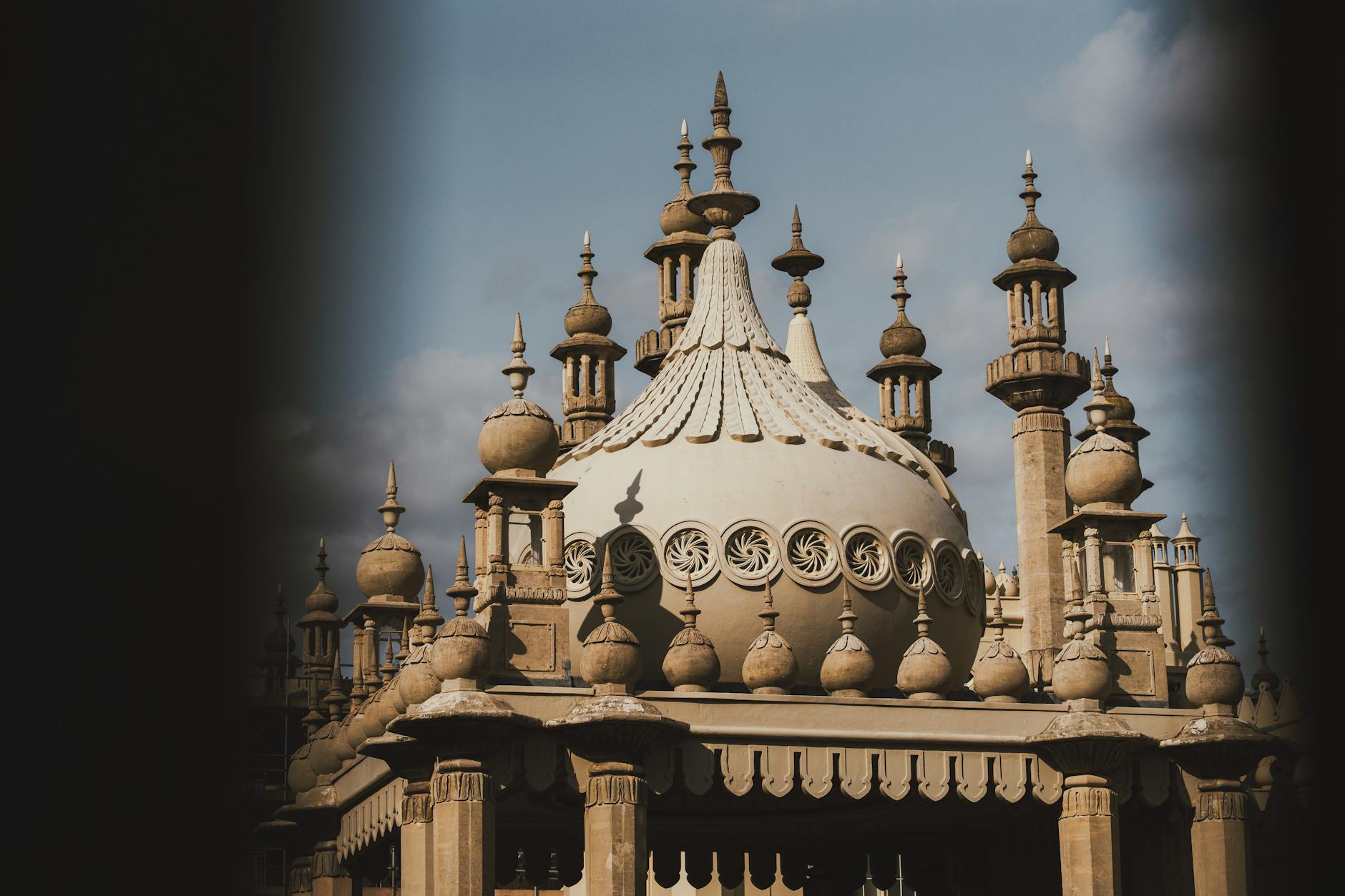
Brighton is a city that earns its reputation. The Royal Pavilion, John Nash's Indo-Saracenic fantasy palace built for the Prince Regent between 1815 and 1823, is one of the most extraordinary buildings in England: a riot of minarets and domes that looks as if it belongs on another continent entirely. The interior, restored to its Regency opulence, is if anything more surprising than the exterior.
Beyond the Pavilion, the cobbled Lanes quarter holds a concentration of independent shops and good restaurants, and the Palace Pier is a genuinely enjoyable Victorian seaside experience. Brighton's food scene has matured considerably in recent years; dinner here on the first night sets up the trip well.
On day two, drive north onto the South Downs to Devil's Dyke, a dry valley in the chalk escarpment that gives a panoramic view over the Weald to the north and the Channel to the south. It is one of the finest viewpoints in the south of England and only 10 minutes from the city.
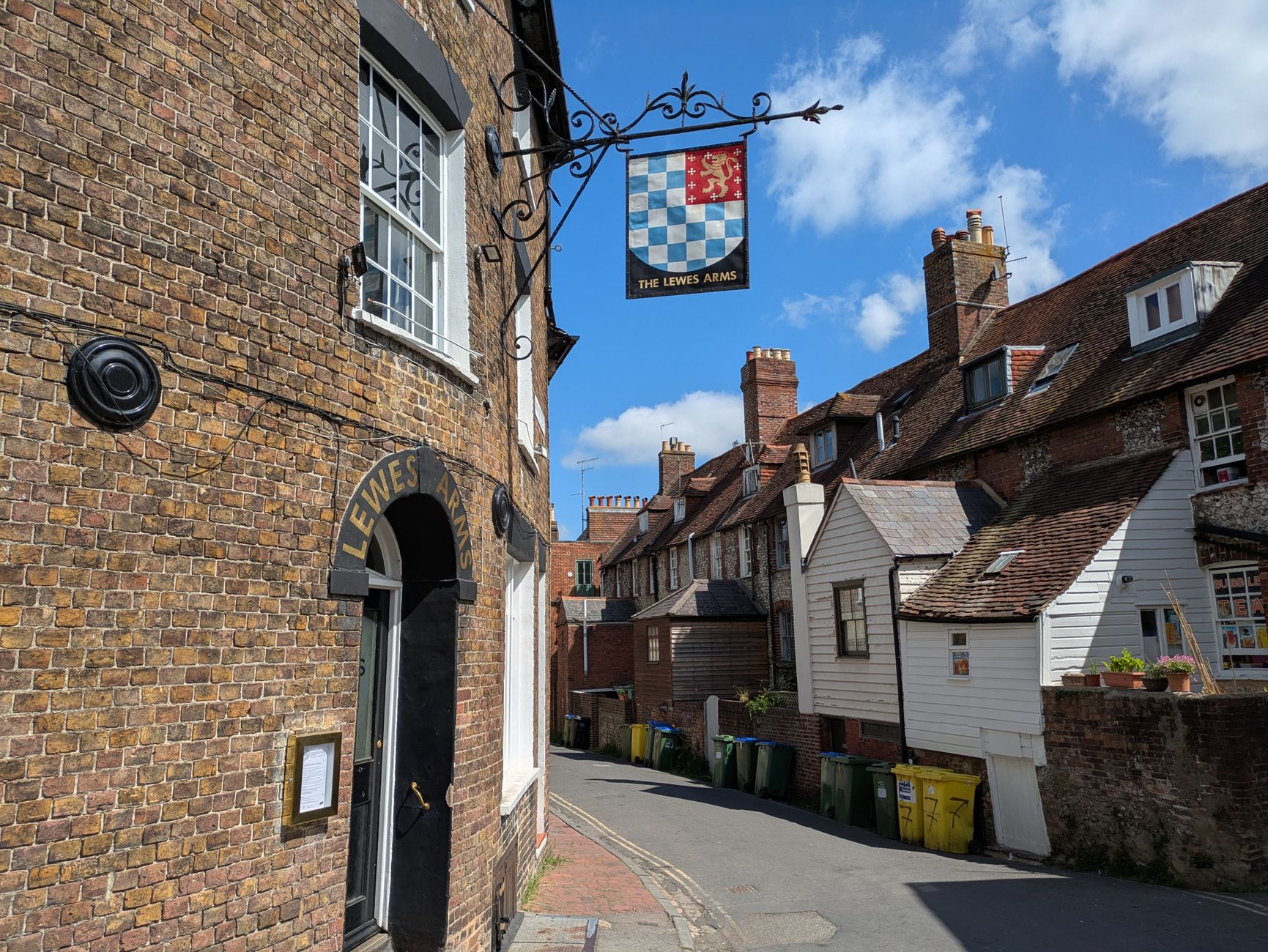
In the afternoon, make the short 13-kilometre trip east on the A27 to Lewes, an easy day trip from Brighton. It is the county town of East Sussex and a place of considerable character. The Norman castle stands on the hill that once gave the town its strategic importance, with views down to the River Ouse and across the Downs. It houses a compact but well-organized local history museum.
A 10-day southern France loop: Marseille's Calanques, Arles' Roman ruins and the Camargue, Saint-Tropez's beaches, and three nights on the French Riviera at Nice.
Below the castle, Harvey's Brewery has dominated the lower town since 1790. The Victorian brewhouse is one of the few surviving examples of a mid-scale Victorian brewhouse in England, and the beers are widely considered among the best in the south. Tours book up quickly and must be reserved well ahead.
The town is also known for its annual Guy Fawkes Night celebrations in November, the most spectacular in England, but it rewards a visit in any season.
Getting there: Brighton is 55 minutes by train from London Victoria (frequent service). It is also well served by the M23 and A23 for drivers arriving from London or the north.

From Brighton, a drive of about 40 kilometres east brings you to Eastbourne. The town is more interesting than its sedate Victorian reputation suggests, with a well-maintained seafront and an attractive pier. But the reason to come is the coastline to the west.
Drive or take the summer bus to Birling Gap, the National Trust visitor centre set between the cliff tops. From here, walk east to the foot of Beachy Head, the highest chalk sea cliff in Britain at 162 metres: the lighthouse far below at the cliff's base gives a sense of the scale. West of Birling Gap, the Seven Sisters begin: eight chalk cliffs (ironically) forming one of the most photographed stretches of coastline in the country, extending to Cuckmere Haven and the mouth of the river.
The walk between Birling Gap and Cuckmere Haven takes about two hours and returns the same way or by bus. It is the finest coastal walk on the south coast.
Leaving Eastbourne, drive inland to Battle, a quieter corner of East Sussex: a landscape of hop gardens and oast houses that has changed only gradually since the 11th century.
Battle Abbey (English Heritage) stands on the ridge where William the Conqueror defeated King Harold on 14 October 1066. The high altar of the abbey is traditionally held to mark the exact spot where Harold fell. The site includes a full battlefield audio trail that follows the likely positions of the two armies across the ridge, a comprehensive museum on the Norman Conquest, and the substantial ruins of the abbey itself. Allow at least two hours and book online ahead of time.
The town of Battle has a good high street and several agreeable pubs and cafes for lunch before you continue east.
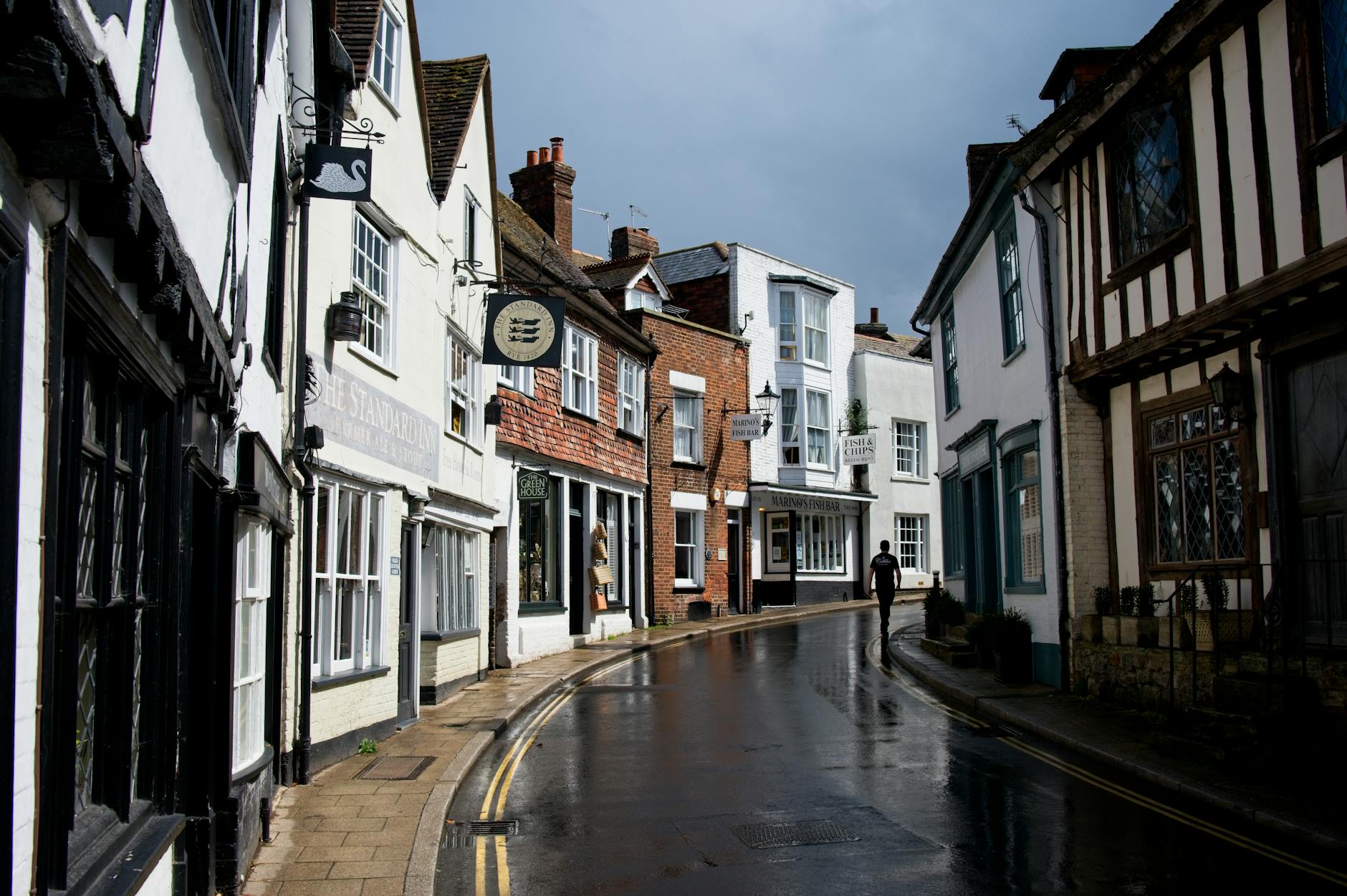
From Battle, a short drive through the East Sussex countryside brings you to Rye, one of the most complete medieval towns in England. Perched on a sandstone hill above what was once a harbour (the sea has since retreated), the town looks much as it did in the 16th century. Mermaid Street, a steep cobblestoned lane with half-timbered buildings pressing close on both sides, is the centrepiece: the 15th-century Mermaid Inn part-way up is a genuine medieval coaching inn still offering rooms and food.
Beyond Mermaid Street, the Ypres Tower is a 14th-century fortification that now houses a small local museum. St Mary's Church is Norman in origin with a famous clock mechanism from 1561 whose quarter-boys still strike the bells. The town centre is small enough to walk thoroughly in a couple of hours, leaving the afternoon for shopping in the independent galleries and bookshops.
Rye is also one of the best places to eat on the route: the proximity to the Sussex and Kent fishing fleets means fresh fish is a reliable choice on most menus.
The final leg follows the A259 coast road from Rye back to Brighton, a drive of about 80 kilometres and 95 minutes that is one of the most scenic in the south of England. The road passes through Winchelsea (another medieval settlement worth a brief stop), then descends to Hastings.
Hastings Old Town is worth 30 to 45 minutes: the distinctive net shops, tall black wooden huts used by fishermen to store their equipment, line the beach at the foot of the East Hill, and the East Hill Cliff Railway provides access to the clifftop. The Jerwood Gallery (now called the Hastings Contemporary) faces the beach and is worth a look if contemporary art is of interest.
From Hastings the A259 continues through Bexhill and Pevensey Bay before rejoining the outskirts of Brighton.
When to go: April to October gives the best conditions for the coastal walks at Beachy Head and the Seven Sisters. Late May and September are the sweet spots: settled weather, the South Downs at their best and no peak-summer congestion. The Eastbourne Airshow in late August and the Rye Arts Festival in September are good pegs for a visit.
Where to stay: Brighton has the widest range of accommodation. Eastbourne and Rye also have good independent hotels and B&Bs. In Rye, the Mermaid Inn is the historic choice; several quieter guesthouses on the hill are often better value.
Getting around: Any standard car handles this route with ease; the roads are good throughout. Parking in Brighton is expensive at weekends; use the Marina or one of the outer car parks. In Rye, park at the town car parks rather than trying to navigate the medieval streets.
Food and drink: Brighton has the most varied restaurant scene. Lewes is the place for Harvey's ale. Rye is notable for fresh fish. Battle's high street has a handful of solid pubs and a couple of good cafes to fuel a morning at the battlefield.
A 10-day loop from Leeds through the Yorkshire Dales, Teesdale, UNESCO Durham and the chalk cliffs and gannet colonies of East Yorkshire: one of England's most varied driving circuits.
The full route — stops, maps, and driving times — is on Routebook by Kington.

A 5-day loop through England's most history-rich county: from the seaside spectacle of Brighton to the chalk cliffs of Beachy Head, the 1066 battlefield at Battle, and the cobblestoned medieval streets of Rye.
 Routebookby Routebook
