

Six cathedral cities, one unforgettable drive: this England cathedral cities road trip connects York's Viking heritage with Bristol's maritime story, threading through Lincoln, Lichfield, Hereford and Gloucester in ten days.
England's medieval cathedral cities are among its greatest travel treasures: storied buildings, compact historic cores and extraordinary collections hidden in unexpected places. This England cathedral cities road trip threads six of the finest together, from Viking York in the north to maritime Bristol in the southwest, linking them by a series of drives through the beating heart of the country.
Total driving: approximately 500 km. Direction: one-way, north to southwest.
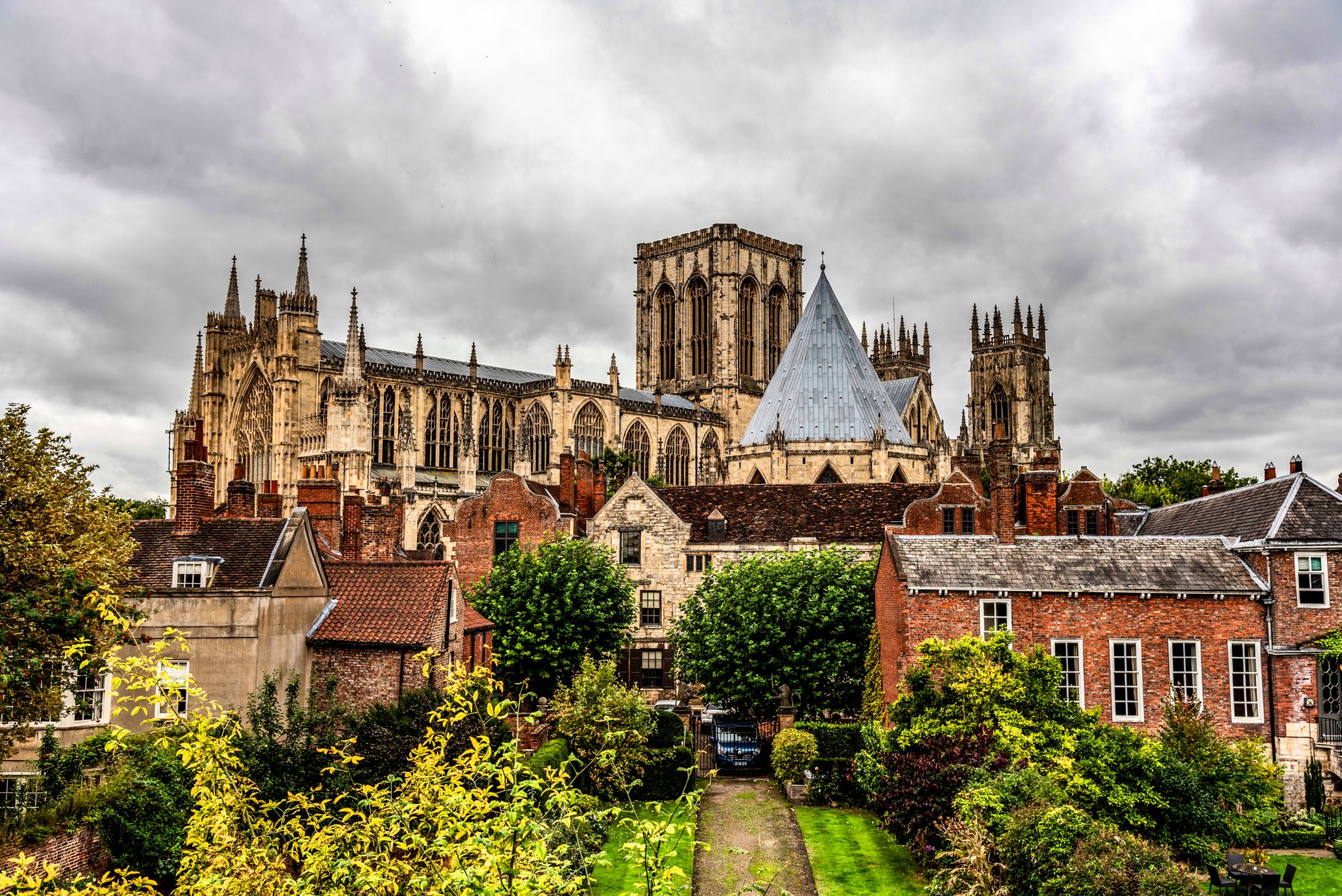
No English city packs more history into less space than York. Begin with York Minster, the largest medieval cathedral in Northern Europe, where the Five Sisters Window and the Great East Window are masterpieces of medieval glass. Allow at least two hours inside before climbing the tower for views over the city.
The afternoon belongs to the city walls. York's medieval circuit runs 3.4 km and you can walk most of it without descending; the stretch between Bootham Bar and Monk Bar gives the closest exterior views of the Minster's towers. Drop into the Shambles, the 15th-century butchers' street where the upper floors nearly touch overhead. Explore its independent shops before dinner.
On day two, head underground. The Jorvik Viking Centre stands over an excavated 10th-century settlement and uses reconstructed sounds, smells and scenes to recreate Viking-age Coppergate with enough conviction that it still surprises. The Castle Museum rounds out the day with period-room reconstructions from the 18th and 19th centuries.
Practical note: Book York Minster tower access in advance during summer. The Shambles crowds by 10am; explore early morning or after 5pm.
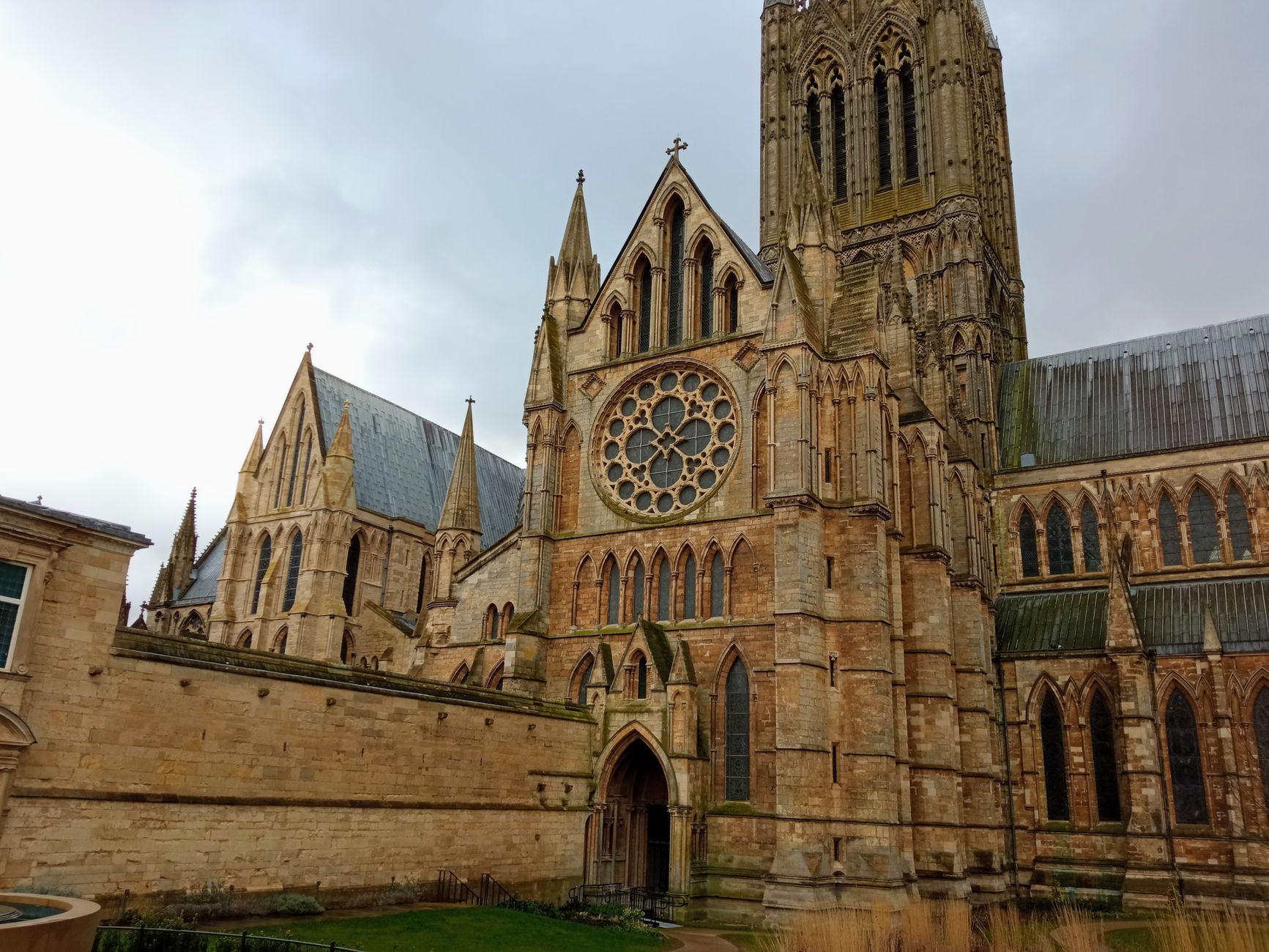
Lincoln arrives as a dramatic surprise. The cathedral sits atop a limestone ridge and can be seen from the flat Lincolnshire plain long before you reach it: a skyline almost unchanged since the Middle Ages. Park near the castle and climb Steep Hill, a narrow medieval street lined with independent bookshops and cafés, to reach Cathedral Square at the summit.
A 10-day southern France loop: Marseille's Calanques, Arles' Roman ruins and the Camargue, Saint-Tropez's beaches, and three nights on the French Riviera at Nice.
Lincoln Cathedral's interior is a masterpiece of Early English Gothic. Then, directly across the square, Lincoln Castle holds a secret most visitors do not expect: one of only four original copies of the 1215 Magna Carta, displayed alongside the Charter of the Forest in the only place in the world where both documents survive together. The castle's medieval wall walk gives panoramic views north across the Lincolnshire plain.
The medieval Jew's Court on Steep Hill is one of the oldest surviving secular buildings in England. The Brayford Pool waterfront at the hill's base has a clutch of evening restaurants.

Lichfield's three-spired cathedral (the only medieval three-spired cathedral in Britain, known locally as the Ladies of the Vale) is visible for miles across the flat Staffordshire countryside. Inside, the Chapter of Canons' historic collection includes the St Chad's Gospels (an 8th-century illustrated manuscript) and the Lichfield Angel, an Anglo-Saxon carved panel discovered during excavations beneath the nave floor in 2003.
The city centre is walkable in an afternoon: Erasmus Darwin House and the Samuel Johnson Birthplace Museum fill in the literary connections. Beacon Park borders the cathedral with 70 acres of gardens including a boating pool.
Lichfield makes a strong base for day trips. Coventry (40 km east) is manageable in a half-day: the bombed shell of the old cathedral stands next to the new building, and the contrast between the 14th-century ruin and 20th-century architecture, united by Graham Sutherland’s enormous tapestry inside, is genuinely moving. Cannock Chase AONB (20 km north) offers forest walking and cycling when you want to be outdoors.
Hereford is the route's biggest revelation. Two medieval treasures in the cathedral make it essential: the Mappa Mundi and the Chained Library. The Mappa Mundi, created around 1300, is the largest medieval world map to survive: a 1.59-metre sheet of calf skin on which scribes placed Jerusalem at the centre and east at the top, recording not just geography but theology, history and imagination in a single image. The Chained Library alongside it holds over 1,500 rare books including 229 medieval manuscripts, each still chained to its shelf by the original iron links.
Outside the cathedral, Hereford is a market city with an unhurried pace. The Black and White village trail leads through a ring of timber-framed settlements in the surrounding countryside, built in a style found almost nowhere else in England.
Use a second day to explore the Wye Valley. Ross-on-Wye (25 km south) sits above a wooded river meander; the climb to the viewpoint at Symonds Yat Rock, where peregrine falcons nest and the gorge drops 100 m below, is a rewarding afternoon side trip. Hay-on-Wye (48 km) is the world's second-hand book capital if you prefer shelves to summits.

A shorter drive brings you to Gloucester, where the cathedral, built over more than a thousand years of Christian worship, gives two experiences in one building. The Norman nave leads into the Perpendicular choir where medieval masons pioneered the techniques that would define English architecture for two centuries. The fan-vaulted cloisters, used as filming locations for the Hogwarts corridors in Harry Potter, are perfectly preserved from the 14th century.
An evening in Gloucester works best around the Historic Docks, where Victorian warehouses have been repurposed as museums, restaurants and bars. The National Waterways Museum occupies one of the largest inland warehouses in Britain.
The journey ends at England's most inventive southwestern city. Brunel's Clifton Suspension Bridge spans a limestone gorge 75 m above the River Avon just ten minutes from the city centre; the gorge walk below gives the best view upwards to the bridge.
Down at the Harbourside, SS Great Britain sits in the dry dock where she was built in 1843, the world's first iron-hulled, propeller-driven ocean-going steamship, fully restored and open as a museum. M Shed next door covers Bristol's social and industrial history; the harbourside boat rides extend the experience.
Bristol's creative energy shows in its street art: Banksy’s originals appear throughout Bedminster, Stokes Croft and the Harbourside, and in its independent food scene across Wapping Wharf and St Nicholas Market.
Season: The route works year-round; spring and early autumn (April to June, September to October) avoid summer queues at York and Bristol while keeping pleasant driving weather.
Driving: A car is essential for Lichfield day trips and the Wye Valley. All six cities have central paid car parks; Lincoln Castle Square and Gloucester Docks are the most convenient for sightseeing.
Budget: Entry to all six cathedrals is by donation or small fee. Lincoln Castle (£15 with Magna Carta vault) and Hereford's Mappa Mundi exhibition (£7.50) are the main paid attractions. England's major national museums remain free.
Where to stay: Each city has a good range of independent hotels and B&Bs within walking distance of the cathedrals. Book York and Bristol well in advance, especially for summer weekends.
A 10-day loop from Leeds through the Yorkshire Dales, Teesdale, UNESCO Durham and the chalk cliffs and gannet colonies of East Yorkshire: one of England's most varied driving circuits.
The full route — stops, maps, and driving times — is on Routebook by Kington.

A one-way drive through six of England's greatest medieval cathedral cities, from Viking York south-west to maritime Bristol via Lincoln, Lichfield, Hereford and Gloucester.

