

Nine days connecting four UNESCO World Heritage Sites through the Georgian and Victorian heartland of England, from Bath's hot springs to Harrogate's valley gardens.
These four destinations are rarely combined on a single itinerary, but they belong together. Bath and Cheltenham represent the Georgian ideal of health tourism and classical architecture. Ironbridge and the Derwent Valley are the industrial counterpart: the engine room of the 18th century. Harrogate is the Victorian sequel, where northern prosperity funded another era of spa culture. Together they tell a coherent story about English ingenuity, taste and the pursuit of wellbeing across three centuries.
The route is an open-jaw drive of around 340 miles, starting in Bath (easily reached by train from London Paddington or via Bristol airport) and ending in Harrogate (direct trains to London King's Cross in around 2 hours 20 minutes). There is no need to retrace your steps.
Bath is the only city in the UK designated a World Heritage Site in its entirety, and two nights is the minimum to do it justice. On day one, begin at the Roman Baths (pre-book timed entry online to avoid queuing). The site is extraordinary: a first-century bathing complex with its original lead lining still intact, fed by water that rises at 46 degrees Celsius from a spring that has never run dry. Lunch in the adjacent Pump Room, then spend the afternoon on foot. The Circus and the Royal Crescent are John Wood the Younger's twin masterpieces of Georgian urban design. Walk through both, then cross Pulteney Bridge into the south of the city.
On day two, visit the Fashion Museum in the Assembly Rooms, then give the afternoon to Thermae Bath Spa, the only place in Britain where you can bathe in naturally heated thermal water with rooftop views across the city. Book at least two days ahead in summer.
Getting there: Bath is 115 miles west of London. From the M4, take the A4 into the city. Train from London Paddington takes around 90 minutes. Use park-and-ride from one of three city-edge sites: driving into the centre is not worth attempting.
Cheltenham is 35 miles northeast of Bath on the A46, a pleasant hour through the Cotswold fringe. Park near Montpellier and spend the afternoon on foot. The Promenade, first laid out in 1818 as a tree-lined avenue, is lined with Regency stucco houses and independent shops. Walk north to the Pittville Pump Room, the grandest of Cheltenham's spa buildings (opened 1830), which still dispenses mineral water to anyone who wants to try it. The Montpellier Quarter, a short walk south of the Promenade, has further fine terraces and a good selection of restaurants.
On day two, drive into the Cotswolds. Bibury (10 miles east) is among the most photographed villages in England. Bourton-on-the-Water and Burford are a short drive further. Sudeley Castle near Winchcombe (8 miles from Cheltenham) has excellent gardens and a good half-day of history.
A 10-day southern France loop: Marseille's Calanques, Arles' Roman ruins and the Camargue, Saint-Tropez's beaches, and three nights on the French Riviera at Nice.
Practical note: Cheltenham hosts the Racing Festival in March and Literature Festival in October. Hotel prices rise sharply during both. Outside those weeks, good-value accommodation is easy to find.
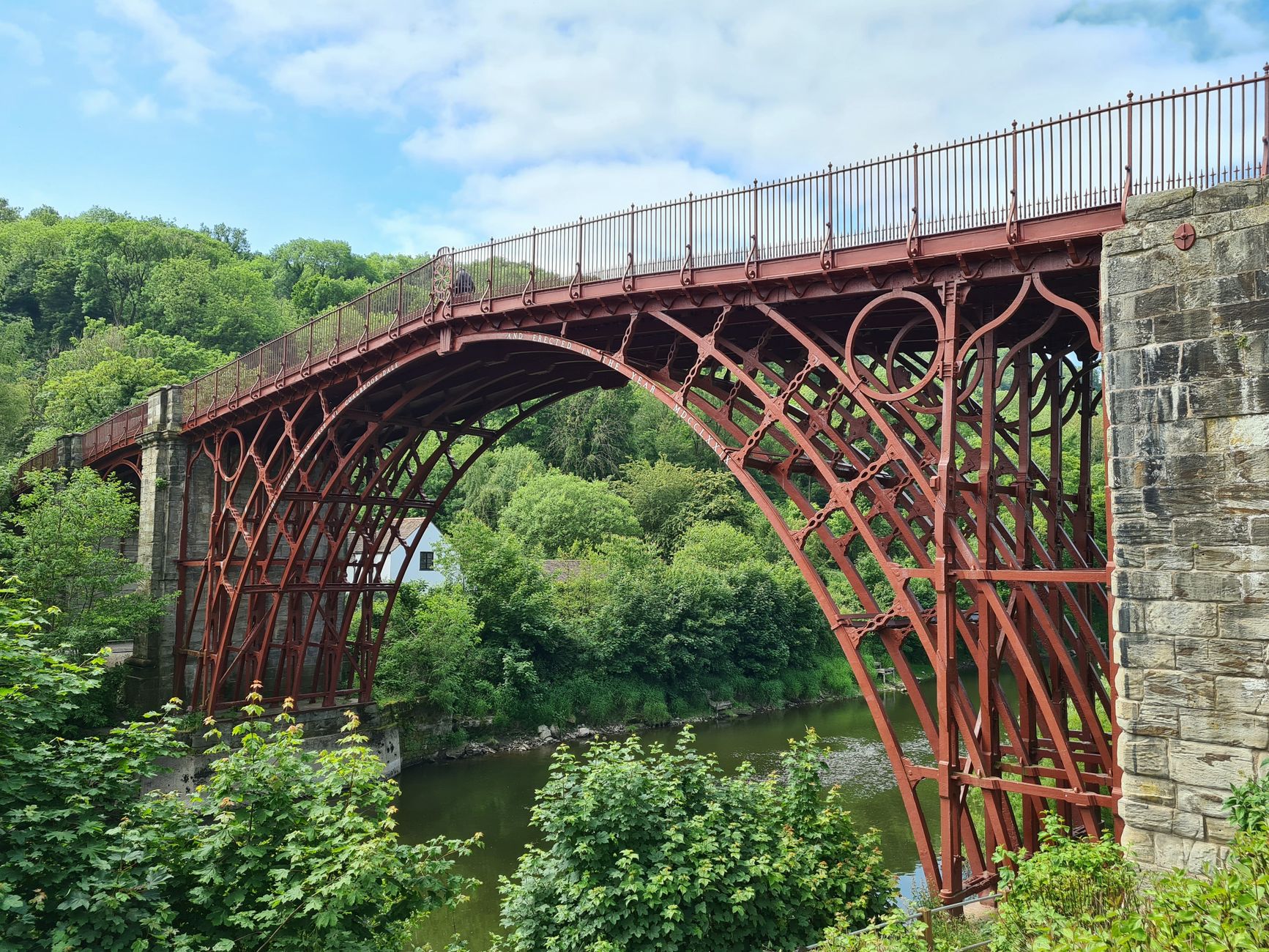
From Cheltenham, head northwest on the A449 and M54 to Ironbridge, about 65 miles and 90 minutes away. This is a one-night stop, but the full day is packed.
The Iron Bridge itself is free to walk across at any time. Opened in 1779, it was the first large-scale iron bridge ever built; standing over the Severn gorge, it is both smaller and more beautiful than photographs suggest. The ten Ironbridge Gorge museums are spread over a couple of miles; the Passport Ticket covers them all for one price and is valid for an entire year. Buy it at the first museum you visit. The standout attraction is Blists Hill Victorian Town: a 50-acre open-air living history museum where you can change your cash into old pennies and spend them in the shops, bakery and pub of a re-created Victorian industrial community. Allow three to four hours here alone.
The Coalbrookdale Museum of Iron, built around Abraham Darby's original blast furnace of 1709 (where iron was first smelted with coke, making mass production possible), tells the full story of why this gorge changed the course of history.
Parking tip: Gorge car parks fill fast on summer weekends. Arrive before 10am or use the upper car parks and walk down.
From Ironbridge, the drive to Derby is about 50 miles northeast, roughly 80 minutes on the A5 and A38. Derby is the anchor city of the Derwent Valley Mills World Heritage Site, a 15-mile stretch of river that UNESCO described as the birthplace of the factory system. Start at the Museum of Making in the city centre (free entry), which occupies the restored Derby Silk Mill and tells the story of the whole valley.
On day two, drive north into the Derwent Valley. Cromford Mill, 15 miles from Derby, was Richard Arkwright's first water-powered cotton-spinning mill (1771): the prototype for every factory on earth. Daily guided tours reveal how the mill operated, and the Arkwright Experience is particularly well done. Continue to Matlock Bath for Masson Mills, Arkwright's second mill (1783), now housing a working textile museum. Take the cable car up to the Heights of Abraham for views over the gorge. If there is time, Chatsworth House (40 minutes northeast through the Peak District) is one of the great English country houses and worth an afternoon.
Note on distances: Cromford is 15 miles from Derby (25 minutes). Matlock Bath is 2 miles further. Chatsworth is 12 miles beyond Matlock Bath.
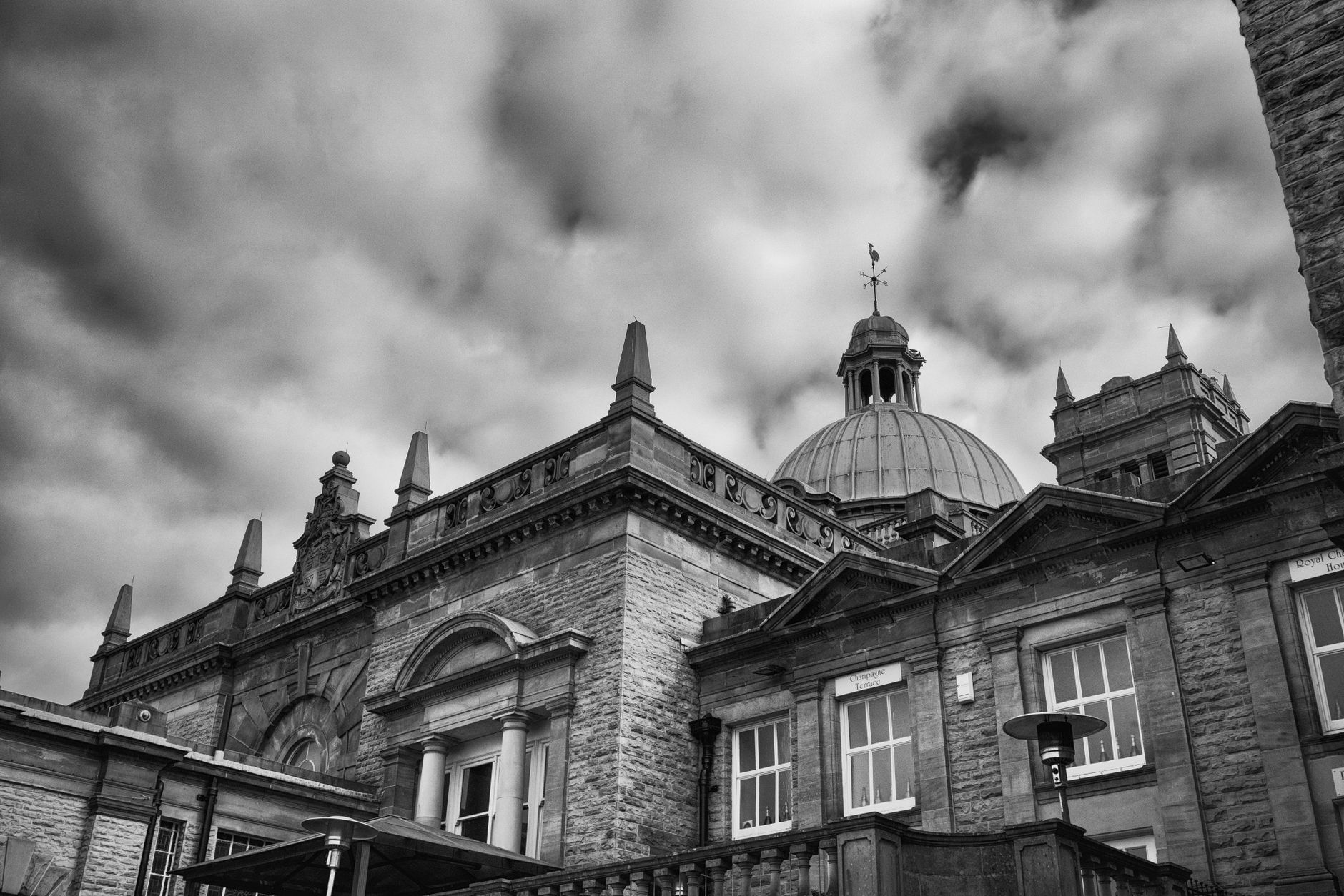
The final leg, from Derby to Harrogate, is about 80 miles on the A61 through Wakefield, a comfortable 90-minute drive. Harrogate reached its social peak in the late Victorian era, when its sulphur springs were among the strongest in Europe and the grand hotels on the Stray were filled with the northern gentry. Much of this elegance survives.
Spend day one walking the town. Valley Gardens is free, beautifully maintained and unlike any park you will have seen before: a long, flower-edged valley with a bandstand, sun colonnade and glasshouses. The Royal Pump Room Museum, built directly over the original sulphur well in 1842, explains the spa history with admirable clarity. No visit to Harrogate is complete without Bettys Cafe Tea Rooms. Founded in 1919, the Parliament Street branch has its original Art Deco interior and serves what many consider the finest Yorkshire Fat Rascals in existence. Book afternoon tea several weeks ahead.
On day two, drive 14 miles west to Fountains Abbey and Studley Royal (National Trust). The abbey, founded by Cistercian monks in 1132 and dissolved by Henry VIII in 1539, is the largest Cistercian ruin in England. The adjoining Studley Royal water garden, laid out in the 18th century, is a UNESCO World Heritage Site in its own right. Allow at least three hours. From Harrogate, the A1(M) and A61 connect to the national motorway network, and the railway station has direct trains to London King's Cross.
Transport: A car or campervan is essential for the legs between cities and for the Derwent Valley drive. Cheltenham, Derby and Harrogate all have good rail connections from London for those who prefer train-plus-hire-car.
Budget: Mid-range. Bath and Harrogate are the pricier stops. Key costs: Roman Baths entry (around £30 per adult), Ironbridge Passport Ticket (around £35), Thermae Bath Spa (around £38 for two hours), Fountains Abbey (National Trust admission; free for members), Bettys afternoon tea (around £55 per person).
Accommodation: Central Bath near the Roman Baths; Montpellier area in Cheltenham; anywhere in Ironbridge Gorge itself; central Derby near the Cathedral Quarter; Harrogate town centre near the Stray.
Best season: April to October for the best weather and longest daylight. Cheltenham's Cotswold day trips are at their finest in spring and early autumn. Fountains Abbey is particularly atmospheric in autumn mist.
A 10-day loop from Leeds through the Yorkshire Dales, Teesdale, UNESCO Durham and the chalk cliffs and gannet colonies of East Yorkshire: one of England's most varied driving circuits.
The full route — stops, maps, and driving times — is on Routebook by Kington.

A 9-day open-jaw journey through England's Georgian heartland, from Bath's Roman hot springs to Harrogate's Victorian spa gardens, via Cheltenham's Regency terraces, Ironbridge Gorge and the Derwent Valley Mills.


