

An 11-day drive up the historic Great North Road, from London through England's cathedral cities and stone towns to the castle coast of Northumberland and the Scottish border.
The Great North Road was, for the best part of five hundred years, the most important road in Britain. It carried the mail coaches, the drovers and the mounted post between London, York and Edinburgh, and its staging inns still stand in market towns the length of eastern England. Then the railways arrived, the coaches stopped, and the old road slipped quietly into the A1. This Great North Road road trip itinerary follows its line north, but trades the fast lane for the cities, stone towns and coastline that grew up alongside it.
It is an 11-day drive built for people who like their history layered and their days unhurried. You move roughly an hour or two between each base, so there is always a proper sense of travel, but never a marathon behind the wheel. The first two thirds are cathedral cities and honey-stone towns. The finale is pure Northumberland: castles on the sand and a tidal island you can only reach when the sea allows.
Most visitors treat the A1 as a means to an end. Slow it down and it becomes one of England's great cultural drives. In a week and a half you take in four cathedrals, a clutch of England's finest historic houses and market towns, the medieval capital of the North, and a coast lined with fortresses. Because the route is linear, from London to the border, you never double back. Pack light, book city hotels ahead in summer, and let the road pull you north.
Begin in London. Spend a night in the capital, walk Westminster and the South Bank, and have the hire car ready so you can slip out early past the old coaching suburbs. An hour and a half north brings you to Cambridge.
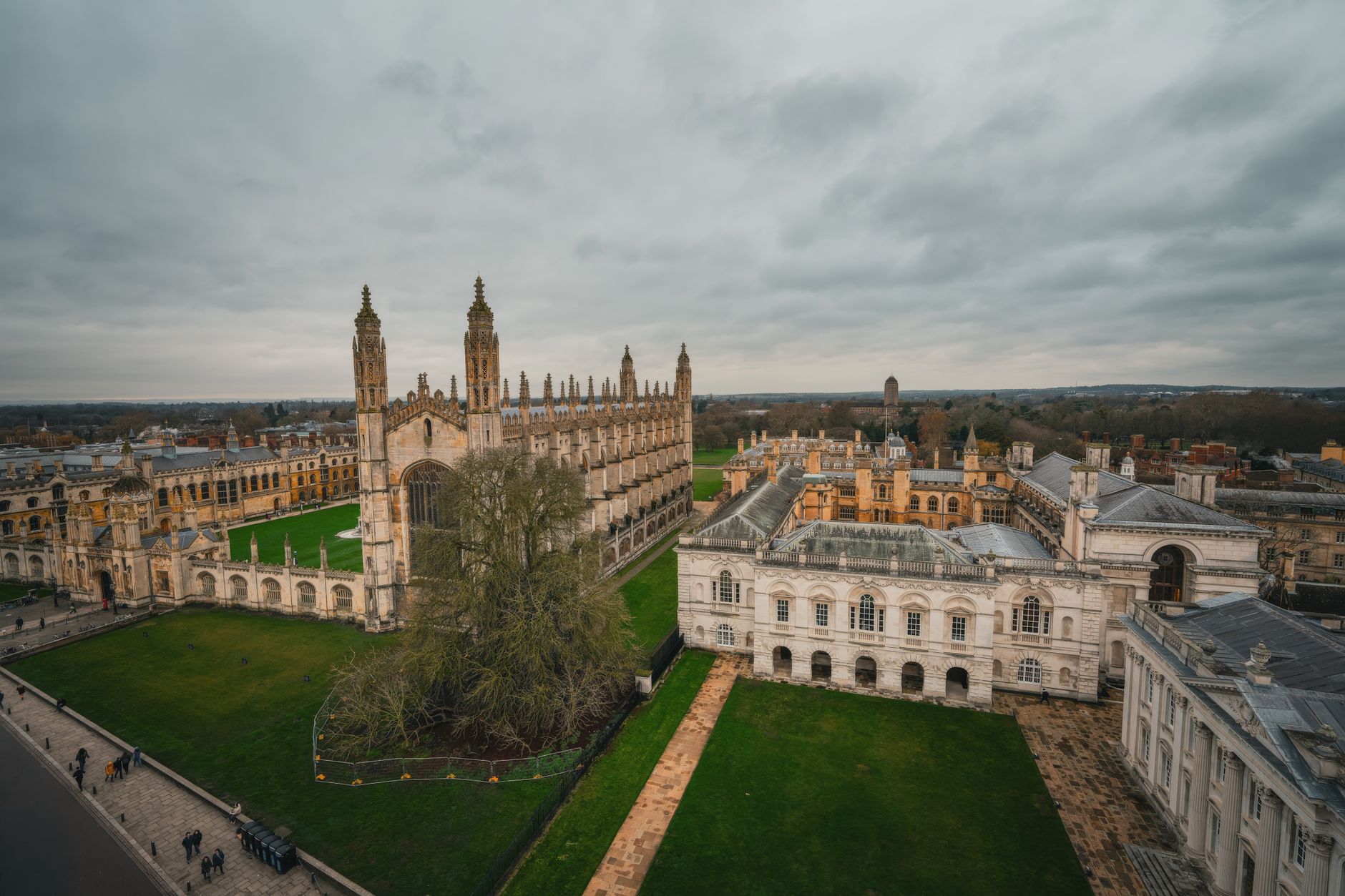
Give Cambridge two nights. Punt the River Cam past the college backs, climb Great St Mary's tower for the rooftops, and stand beneath the fan vaulting of King's College Chapel. With a spare afternoon, drive out into the Fens to Ely and its extraordinary lantern cathedral.
North again to Stamford, widely called the finest stone town in England. It was the country's first conservation area and has more than 600 listed buildings, five medieval churches and the George, one of the oldest coaching inns on the whole road. On the town's edge sits Burghley House, a vast Elizabethan mansion with a Capability Brown deer park.
A short hop takes you to Lincoln. Climb cobbled Steep Hill to the Bailgate, where a triple-towered cathedral and a Norman castle, home to an original 1215 Magna Carta, crown the ridge. The upper town is compact, atmospheric and made for an evening wander.
York earns two nights. Walk the medieval walls for a lap of the old city, browse the leaning timber frames of the Shambles, and step inside York Minster, the largest Gothic cathedral in northern Europe. The Jorvik Viking Centre and the National Railway Museum fill a second day, and the narrow snickelways are best explored after the day trippers leave.
A 10-day southern France loop: Marseille's Calanques, Arles' Roman ruins and the Camargue, Saint-Tropez's beaches, and three nights on the French Riviera at Nice.
Few cities announce themselves like Durham. Its Norman cathedral and castle sit on a wooded peninsula almost encircled by the River Wear.

Walk the riverbanks for the postcard view, cross Framwellgate Bridge, and take your time inside one of the greatest Romanesque buildings in Europe. The cathedral and castle together form a World Heritage Site, and the tower climb rewards clear days with a long view north.
Here the history books give way to the coast. Base yourself in Alnwick for two nights and tour Alnwick Castle, the second largest inhabited castle in England and a Harry Potter location, along with its contemporary Garden and Grand Cascade.
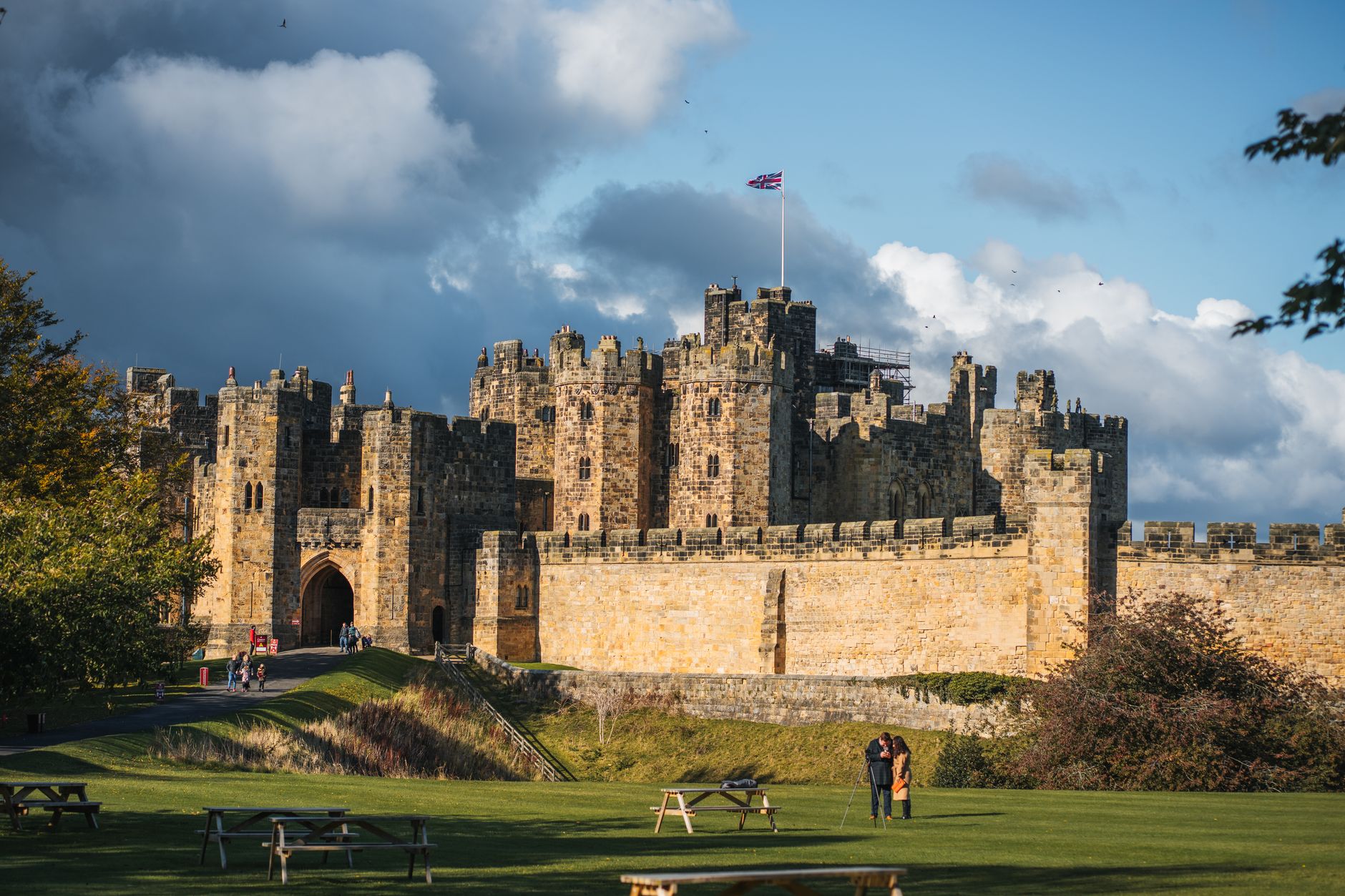
From Alnwick, the finest stretch of English coast is on your doorstep. Bamburgh Castle stands on a crag above a huge sweep of sand. Boats from Seahouses run out to the Farne Islands and their seabird and seal colonies. And Holy Island of Lindisfarne, with its priory and castle, waits across a causeway that floods at every high tide, so check the safe crossing times before you drive over.
The road ends at Berwick-upon-Tweed, England's northernmost town, hard against the Scottish border.
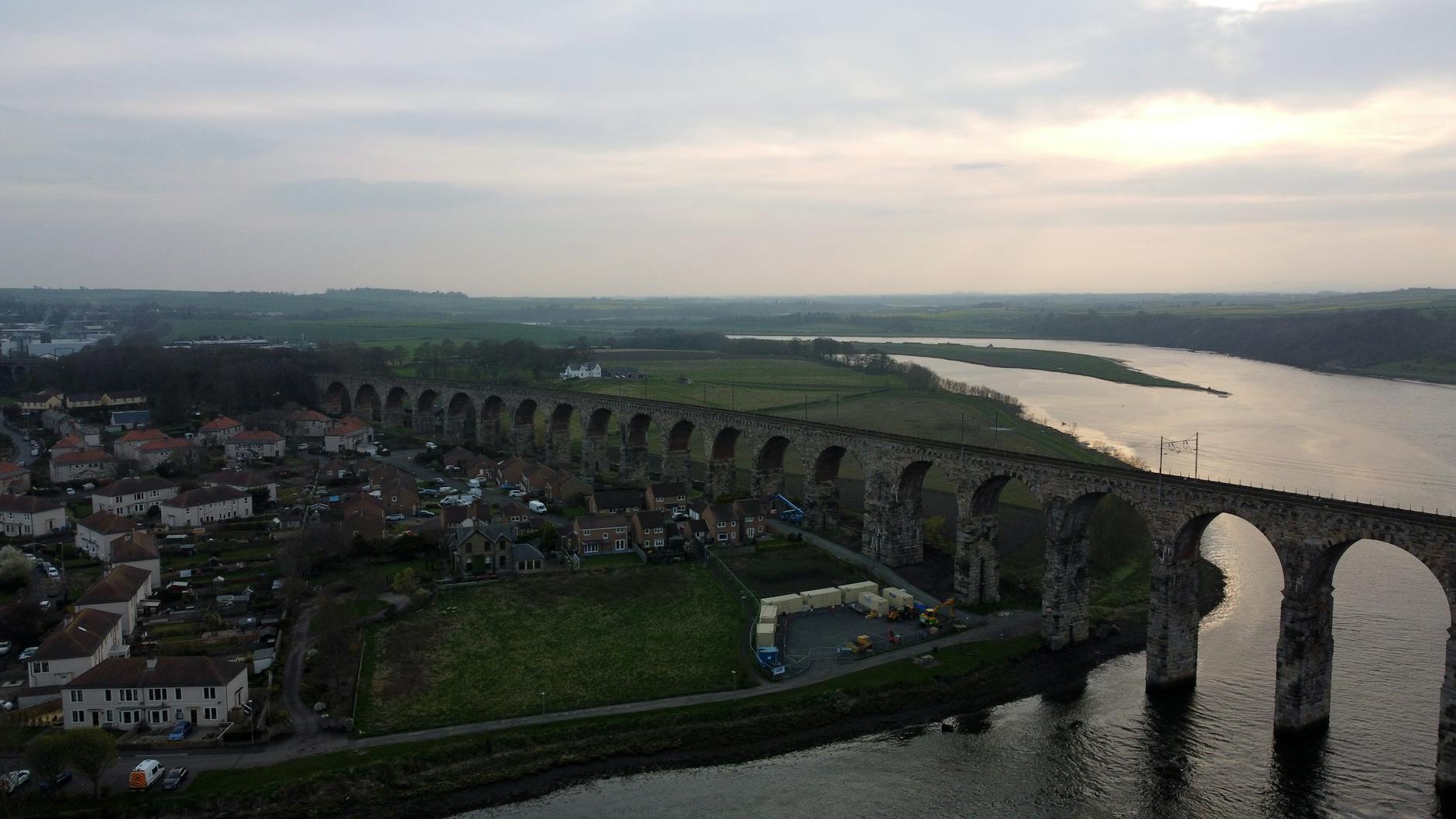
Walk the complete Elizabethan ramparts, among the best preserved in Europe, cross the three historic bridges over the Tweed, and follow the Lowry trail past the riverside scenes the artist loved. It is a quiet, salt-air finish to a journey that began in the middle of London.
How long: 11 days is comfortable. Trim to a week by giving each city a single night, or stretch it by adding the Yorkshire Dales or Hadrian's Wall.
When to go: April to September is best. The cities work year round, but the Northumberland coast, the Farne Islands boats and the Lindisfarne crossing are far easier in the longer, drier days of late spring and summer.
Driving: Legs run roughly one to two hours between bases, all on good roads. Use park and ride schemes in Cambridge, York and Durham, where historic centres are tight and parking is dear.
Where to stay: City-centre hotels and inns suit this route, and several of the old coaching inns along the way still take guests. Book ahead for York and the Northumberland coast in summer.
A 10-day loop from Leeds through the Yorkshire Dales, Teesdale, UNESCO Durham and the chalk cliffs and gannet colonies of East Yorkshire: one of England's most varied driving circuits.
The full route — stops, maps, and driving times — is on Routebook by Kington.

Drive the historic Great North Road from London to the Scottish border, linking England's great cathedral cities and honey-stone towns with the castle-studded Northumberland coast.

