

From the fan-vaulted cloisters of Gloucester Cathedral to the ancient woodland of the Forest of Dean, medieval Tewkesbury and Edward II's castle at Berkeley, this compact six-night loop explores one of England's most varied and under-visited counties.
Gloucestershire does not have the marketing machine of the Cotswolds to its east, nor the dramatic coast of Devon to its south. What it has instead is variety. In one county you can stand in the fan-vaulted cloisters of a Norman cathedral, walk through 4,500-year-old iron mines, and watch flamingos at a world-class wetland reserve.
This six-night Gloucestershire road trip itinerary starts in the county city and works west into the Forest of Dean before returning south along the Severn Vale. No single leg takes more than 50 minutes to drive, and the route passes through three of England's most distinctive landscapes without once covering the same road twice.
Gloucester (2 nights) → Tewkesbury (1 night) → Coleford and the Forest of Dean (2 nights) → Berkeley (1 night) → return to Gloucester
Total driving: approximately 120 km / 75 miles.

Gloucester is built on the site of the Roman fortress of Glevum and has been an important city since the first century. The Cathedral dominates the skyline but is approached through busy modern streets; once inside, the scale of the Norman nave and the extraordinary fan-vaulted cloisters come as a genuine surprise.
The cloisters are the reason most visitors come, though many do not realise they are walking through the same corridors used as Hogwarts in the Harry Potter films. The Great East Window, at 72 feet the largest surviving medieval stained-glass window in England, is in the choir. Edward II's elaborate alabaster tomb is in the north ambulatory, a direct connection to the final stop on this route at Berkeley Castle.
On the second day, walk down to the historic Docks: England's most inland working port is now a cluster of converted Victorian warehouses holding the National Waterways Museum, restaurants and independent shops. The museum occupies three of the most impressive warehouses and is free to enter the dockside area.
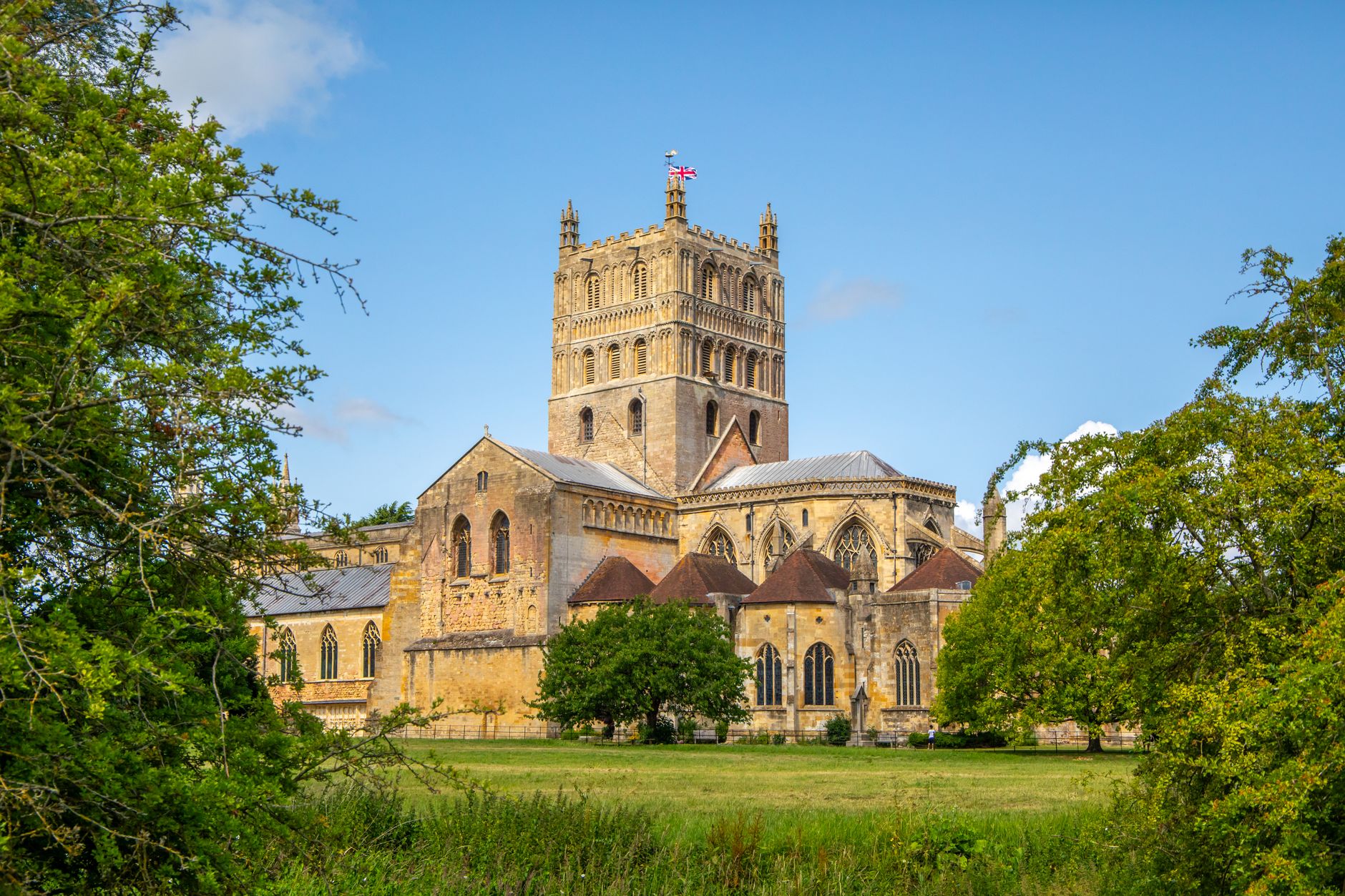
Tewkesbury is 16 km north of Gloucester on the A38, at the confluence of the Severn and the Avon. It is one of England's best-preserved medieval market towns, and the Abbey that towers over it is the second largest parish church in the country.
The Abbey was built between 1087 and 1121, with a massive Norman crossing tower added in the 15th century. The building holds the tombs of several powerful families who shaped the surrounding landscape, including a direct connection to the Edward II murder that will become clear when you reach Berkeley Castle on the final day.
A 10-day southern France loop: Marseille's Calanques, Arles' Roman ruins and the Camargue, Saint-Tropez's beaches, and three nights on the French Riviera at Nice.
The narrow medieval streets are almost entirely uncommercialised. Church Street has half-timbered inns dating from the 14th century. The Cross, where the four main streets meet, is largely unchanged since the Wars of the Roses; the Battlefield at Bloody Meadow, site of the 1471 battle, is signed from the town centre and free to visit.
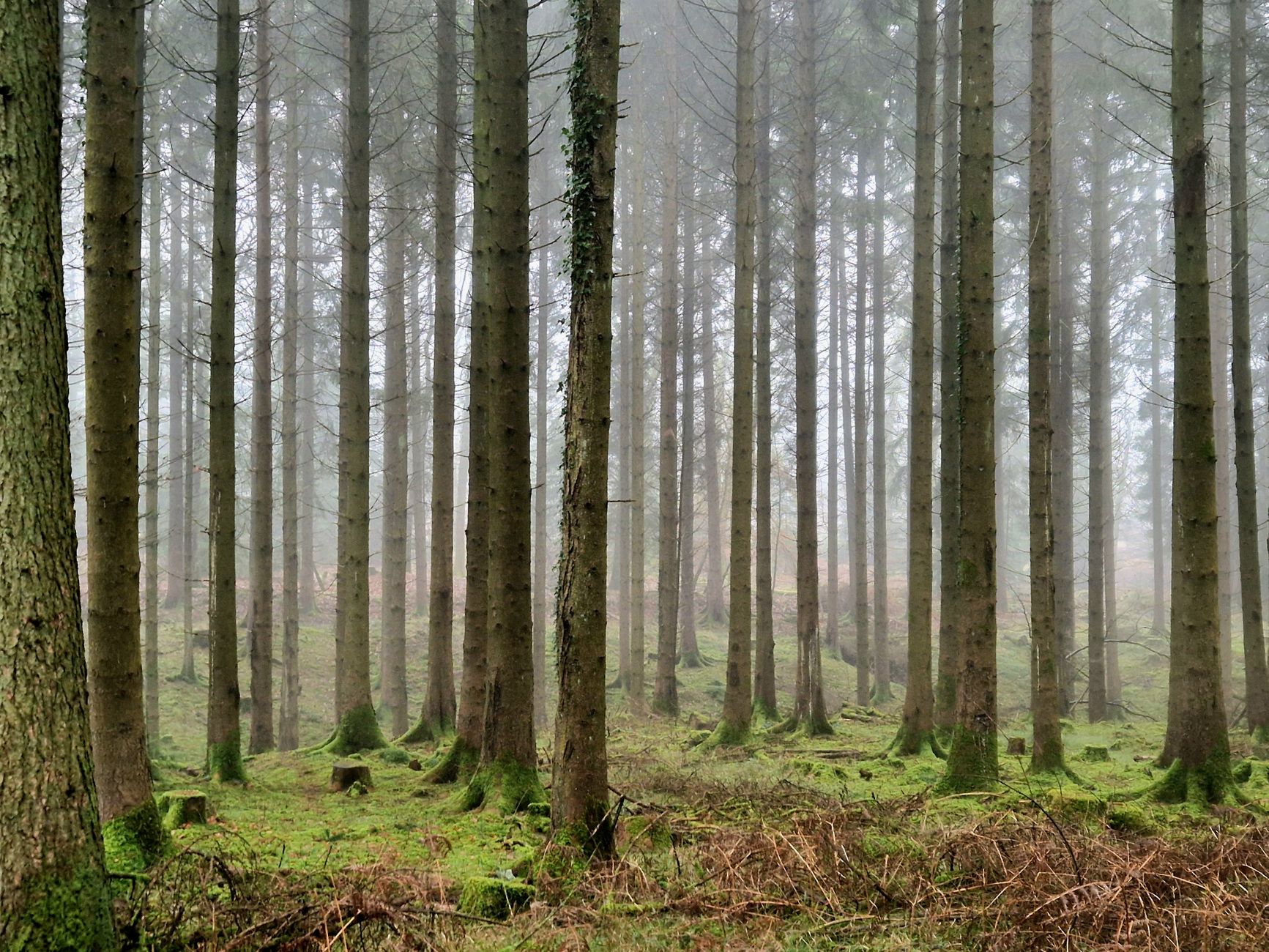
The A40 west from Tewkesbury, then the A48 along the Severn, brings you to the Forest of Dean in under an hour. This is England's only statutory forest: a 110-square-kilometre ancient oak woodland that has been a royal hunting forest since William the Conqueror and is managed today by the Forestry Commission.
Base in Coleford, the largest town in the forest interior. Clearwell Caves, half a mile to the north, have been mined for iron ore for 4,500 years. Ten illuminated chambers are accessible to visitors, with original Victorian mining equipment visible throughout; the cave temperature is a constant 10°C regardless of the season.
Puzzle Wood is immediately adjacent to the caves, a short walk through iron-age earthworks, mossy boulders, and yew trees so old and dense they create near-darkness at midday. It served as a filming location for Star Wars: The Force Awakens and several Doctor Who series; its tangled landscape needs no context to appreciate.
The Dean Forest Railway runs steam trains through the southern forest between Lydney and Norchard, and the purpose-built Freeminers Trail network offers waymarked cycling across all difficulty levels. Hire bikes are available from Pedalabikeaway in the forest interior.
The A48 south from Coleford along the Severn brings you to Berkeley in about 45 minutes. Berkeley Castle has been continuously occupied by the Berkeley family since 1153, making it one of the oldest inhabited castles in England.
Edward II was held and murdered here in 1327. The cell in which he was kept is open to visitors, and the great hall, state rooms and terraced gardens remain in use. The connection back to Gloucester Cathedral, 22 km north, is unusually direct: the same king, the same year, his tomb a direct consequence of his death here.
Five miles south of Berkeley at Slimbridge, the WWT Wetland Centre was founded by the artist and naturalist Sir Peter Scott in 1946 and holds the world's largest captive collection of wildfowl. Between October and March, the reserve hosts tens of thousands of migrating geese and ducks from Siberia and Iceland on the Severn Levels.
The return to Gloucester on the A38 north takes 30 minutes.
When to go: April to October for Berkeley Castle (which opens seasonally) and Forest of Dean cycling. Slimbridge is most rewarding between October and March when migrating wildfowl are present in large numbers.
Getting there: Gloucester has direct rail connections from London Paddington in approximately 2 hours and from Birmingham New Street in under an hour. Hire cars are available from Gloucester station.
Driving: All legs are under 50 minutes. The Forest of Dean interior has some narrow lanes; a standard car is suitable throughout.
Cycling: The Freeminers Trail network in the Forest of Dean is waymarked and graded. Hire bikes available from Pedalabikeaway in the forest interior and from cycle hire shops in Coleford.
A 10-day loop from Leeds through the Yorkshire Dales, Teesdale, UNESCO Durham and the chalk cliffs and gannet colonies of East Yorkshire: one of England's most varied driving circuits.
The full route — stops, maps, and driving times — is on Routebook by Kington.

Six nights from Gloucester's Norman Cathedral and historic docks through medieval Tewkesbury, the ancient Forest of Dean's caves and woodland, and Berkeley Castle on the Severn Vale.

