

A practical 4-day Suffolk Heritage Coast road trip from Ipswich to Southwold, stopping at Sutton Hoo, Orford Ness, Aldeburgh and the pastel promenade of Southwold.
Suffolk's Heritage Coast is one of England's most underrated drives. From Ipswich to Southwold, the route follows 40 miles of AONB shoreline in easy day-long hops, stopping at places where the landscape, history and food all earn their time. This Suffolk Heritage Coast road trip itinerary covers the lot in a relaxed four days.
The loop runs north from Ipswich along the A12 and B-roads to the coast, touching the Deben estuary at Woodbridge, the shingle spit at Orford, the festival town of Aldeburgh and the Georgian seafront of Southwold, before returning south. Total driving time is under three hours; the point is to stop, not to cover ground.
This is a quiet-roads coastal drive for people who value landscape and food over theme parks and nightlife. It works well for couples, solo travellers and families with older children. Suffolk's lanes are unhurried and the driving is easy. Expect pebble beaches, estuary views, excellent local seafood and some of England's finest independent arts venues.
April to October gives the best weather and opens all attractions. The Aldeburgh Festival runs in June and brings classical music to Snape Maltings. Summer peak (July to August) is busy in Southwold and Aldeburgh; shoulder months are quieter. Orford Ness is only accessible May to September.
Ipswich is a better starting point than it is often given credit for. The Tudor Ancient House on the Buttermarket has the finest pargeting in England. Christchurch Mansion is a free-entry house-museum set in parkland, with rooms of Constables and Gainsboroughs. The Wet Dock, once Europe's largest, is now a waterfront of cafés and galleries with a working tide gate. Base yourself here for the night and use the day to explore the town on foot and reach the two great sights just up the road.
Woodbridge makes an easy day trip nine miles north; the drive barely counts as travel. The town sits on the Deben estuary; its 700-year-old tide mill is still operational and looks over the river to the mudflats and sailboats beyond. The essential stop is Sutton Hoo (National Trust), four miles upriver: the Anglo-Saxon royal burial site excavated in 1939, whose treasures were the original touchstone for Britain's early medieval history. The museum is excellent and the burial mounds sit in open heathland above the Deben. Book entry in advance; this is the most important stop of the route for history lovers.
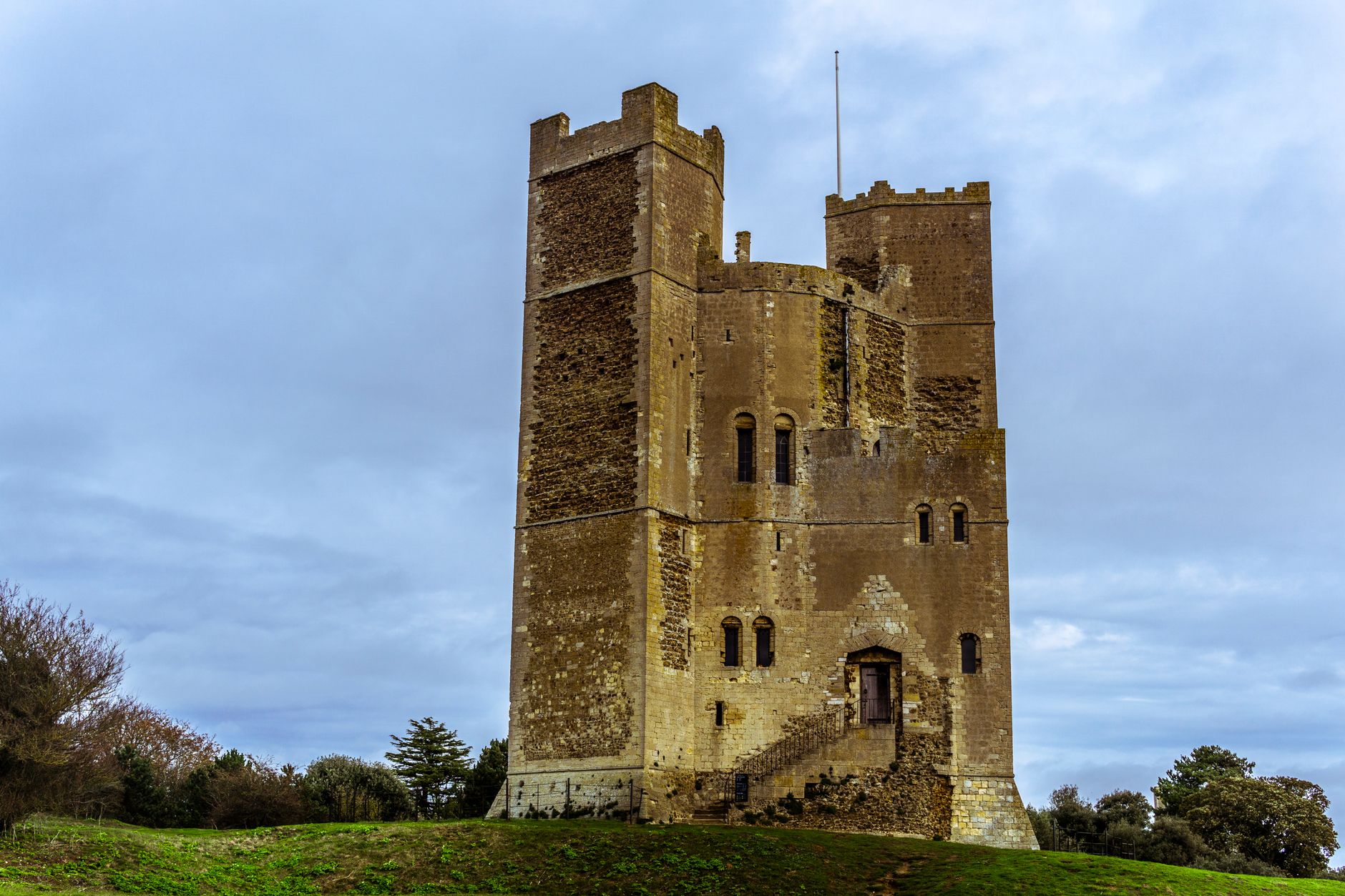
Orford, further up the coast, is a second day trip well worth the drive: one of those Suffolk villages that seems to have been left behind in the best possible way, with a broad green, a handful of cottages, a pub and one of England's most complete Norman keeps. Henry II built Orford Castle in the 1160s; climb to the top for sweeping views over the shingle spit and the river mouth. Across a tidal ferry operated by the National Trust lies Orford Ness: Europe's longest shingle spit, a remote nature reserve of lagoons, vegetated ridges and Cold War military ruins. It is strange, beautiful and unlike anywhere else in England. The ferry runs from May to September; book your slot through the National Trust at least two weeks ahead as places sell out fast. Pick up smoked fish from Pinney's of Orford on the quay before you head back.
A 10-day southern France loop: Marseille's Calanques, Arles' Roman ruins and the Camargue, Saint-Tropez's beaches, and three nights on the French Riviera at Nice.
Aldeburgh earns two nights. The composer Benjamin Britten lived here and founded the Aldeburgh Music Festival in 1948; his concert hall at Snape Maltings, a beautifully converted Victorian malt house four miles inland on the River Alde, remains one of England's finest music venues. Britten-Pears Arts runs concerts, exhibitions and events year-round; even without a performance on, the complex of shops, galleries and café is worth the drive.
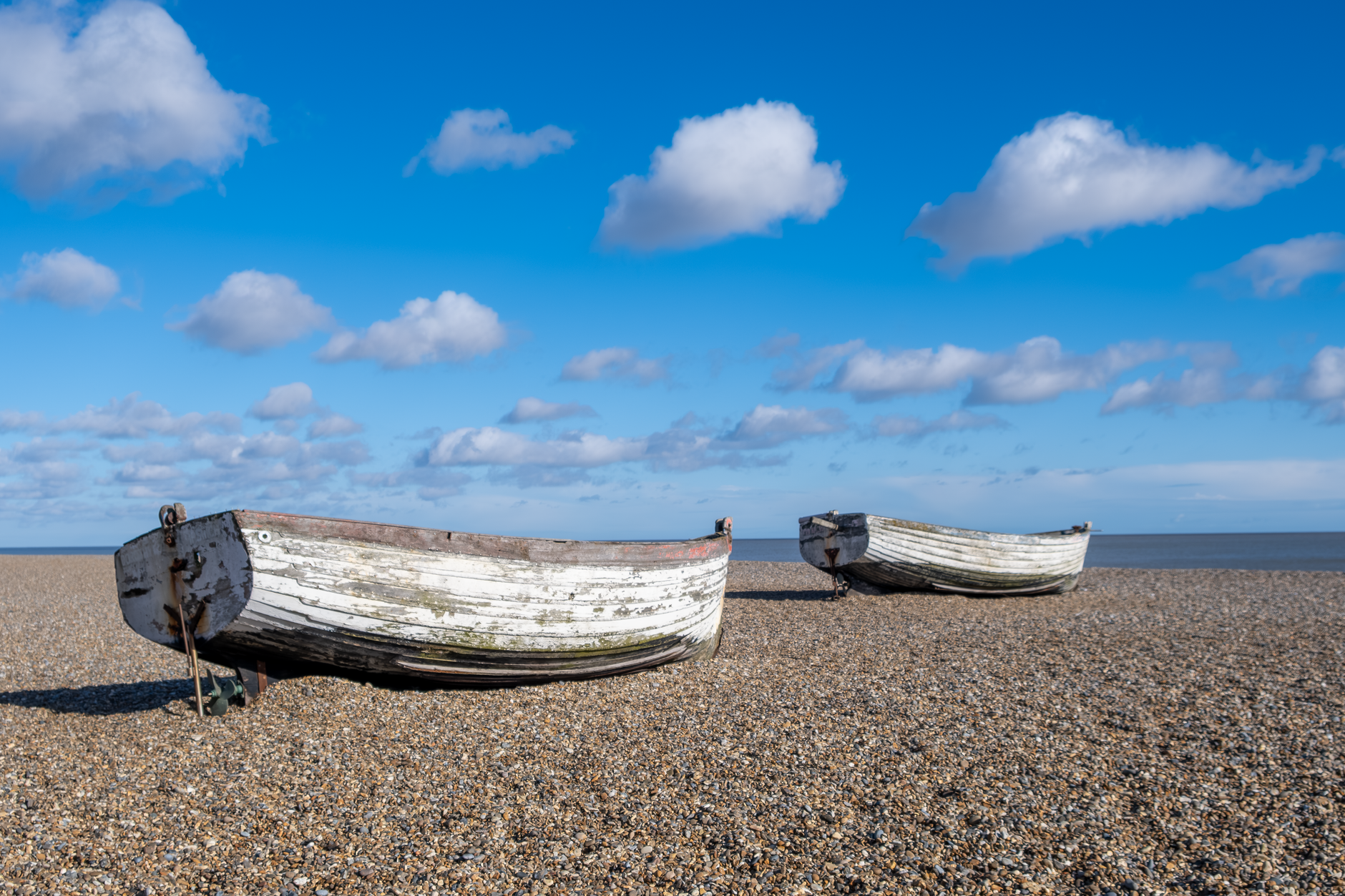
The town itself is a single high street of clapperboard houses facing a shingle beach. Walk north to the Meare, a brackish lagoon, or south past the Martello tower toward the RSPB's Minsmere reserve. Aldeburgh's two fish and chip shops are award-winning and family-run; eating on the shingle beach with the North Sea in front of you is one of the simple pleasures of the east coast.
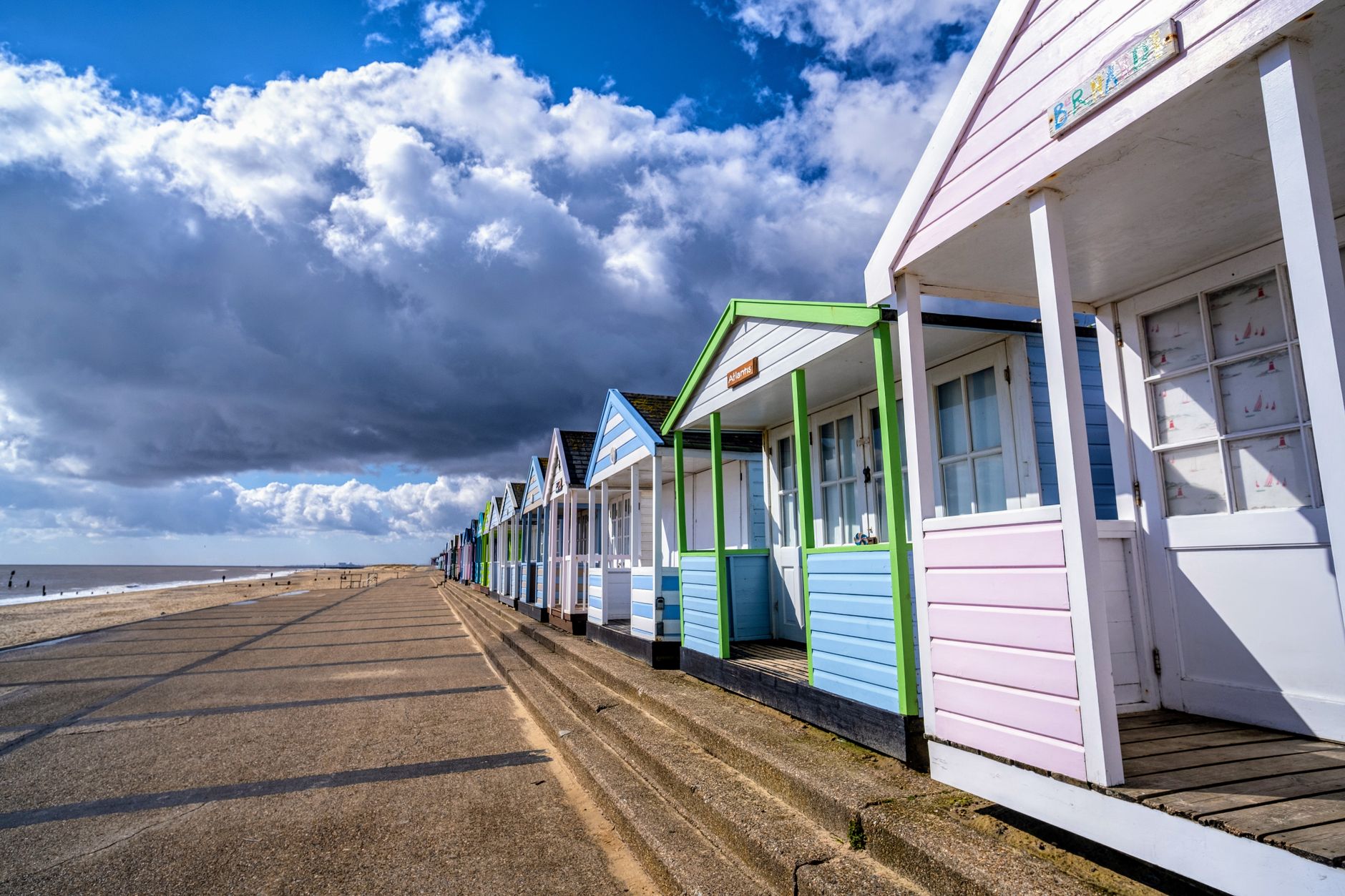
Use your second day for a day trip north to Southwold, the coast's most photogenic town. It is Georgian, compact and immaculate: a white-painted lighthouse in the centre, a striped Victorian pier out to sea and a line of pastel beach huts that have become one of England's most photographed coastal scenes. Adnams Brewery has brewed the local ale here since 1872; book a weekday tour well in advance.
Pair Southwold with two nearby stops. Dunwich, four miles south, was a prosperous medieval city of several thousand people until the sea began swallowing it in the 13th century. All that remains is a small village, a museum of what was lost and the ruins of a priory on the cliff edge. Walberswick, just across the River Blyth (a short foot-ferry hop), is an artists' village of flint cottages and salt marshes with a good pub on the green.
The return to Ipswich on the final morning is a straight 55-minute run down the A12.
Ready to explore the Suffolk Heritage Coast? Use the map and stop guide below to plan your days.
A 10-day loop from Leeds through the Yorkshire Dales, Teesdale, UNESCO Durham and the chalk cliffs and gannet colonies of East Yorkshire: one of England's most varied driving circuits.
The full route — stops, maps, and driving times — is on Routebook by Kington.

A 4-day loop along England's most unspoiled stretch of coast, from Ipswich to Southwold via Anglo-Saxon Sutton Hoo, Orford's remote shingle spit, and Aldeburgh's legendary fish and chips.
 Routebookby Routebook
